
A Chinese company preparing for North America usually treats the English website as a production task. Send the Chinese copy to a translator, get it back, put it live. The sentences are correct. The grammar is clean. And the page still does not work. The reason is that translation and localization are answering different questions. Translation asks whether the English is faithful to the Chinese. Localization asks whether a stranger in Chicago, who has never heard of you, will keep reading and eventually get in touch. A page can score perfectly on the first question and fail completely on the second. Here are the five places that failure usually shows up.
the proof is in the wrong order
Open a Chinese B2B homepage and the credibility stack is familiar: year founded, floor area, headcount, ISO certifications, national high-tech enterprise designation, a wall of partner logos, an awards row. In the Chinese market this is not filler. Institutional endorsement is a genuine signal, and buyers read it as one. Translate that stack directly and a North American buyer reads something else entirely: this company is talking about itself. Their own credibility test runs on different inputs — a specific problem you solved, for a specific kind of company, with a number attached. Scale is interesting only after they believe you understand their situation. The fix is not to delete your credentials. It is to demote them. Lead with the problem and the outcome; let the certifications sit further down the page, where a buyer who is already interested will go looking for them.


abstraction reads as filler
Chinese marketing copy carries a lot of its weight through rhythm — paired phrases, four-character constructions, a cadence that sounds substantial when read aloud. It is a real craft, and it works. English does not have that mechanism. When the rhythm is stripped out in translation, what remains is a row of adjectives: professional, efficient, innovative, reliable, customer-oriented. Every competitor in the category has the same row on their homepage. To an English-language reader these words are not weak claims — they are not claims at all. They pass across the eye without registering.
If a competitor could publish the sentence unchanged, it is not doing any work. Cut it or replace it with something only you could say.
English B2B copy earns belief through specificity. A number, a named constraint, a timeframe, an admission of what you do not do. The more particular the sentence, the more credible the company sounds — which is the opposite of the instinct most corporate copy runs on.
the path assumes the wrong buyer
Chinese sites route decisively toward contact. A QR code, a WeChat account, a phone number, a form that asks for company, title, and mobile before it will tell you anything. In a market where business relationships start in conversation, that is the correct design. The North American B2B buyer behaves differently. They research anonymously, often for months, and want to get quite far without speaking to anyone: pricing or at least a range, documentation, a real case with detail in it, an honest comparison against alternatives. A site whose only door is a contact form filters out almost everyone who is not already at the end of their process — and it reads as opacity to the ones who are still deciding. Give them material to consume before you ask them to identify themselves. The form converts better when it is the fourth thing you offer, not the first.
you are three companies online
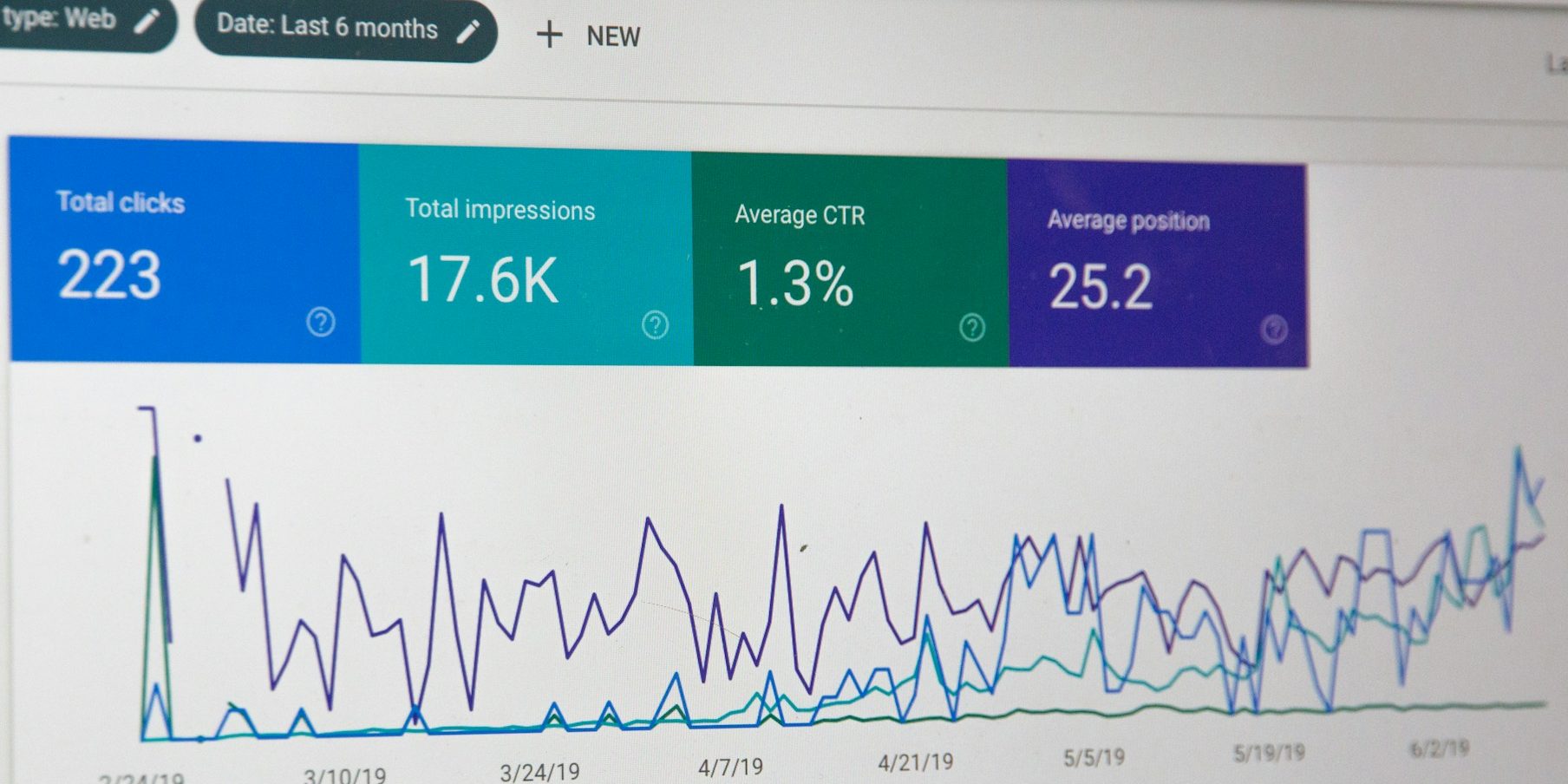
Check how your company name appears across your English website, your LinkedIn page, your press releases, your distributors' sites, and any trade directory that lists you. Very often there are two or three variants — a transliteration in one place, a translated name in another, an abbreviation somewhere else, and a legal entity name that matches none of them. To a human reader this is a minor inconsistency. To the systems that increasingly decide which brands get mentioned, it is fatal. Search engines and AI models assemble an understanding of a company by cross-referencing consistent signals across independent sources. When the signals disagree, no single confident picture forms. The brand does not get recognized as an entity, so it does not get surfaced, cited, or recommended. This is the failure most companies cannot see from the inside, because internally everyone knows all three names refer to the same business. Nobody else does.